

Senegal has started producing a locally made medicine for sickle cell disease, in a move expected to improve access to treatment for patients across the country and potentially elsewhere in Africa.
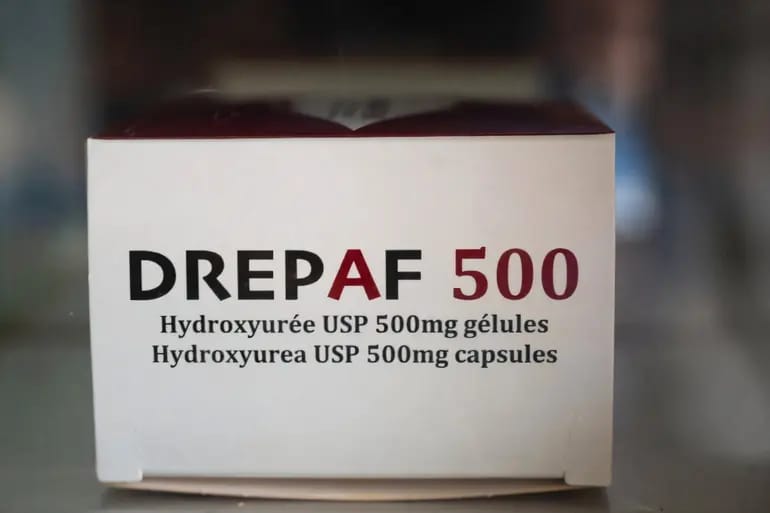
The drug, known as DREPAF, is a generic version of hydroxyurea and is being manufactured by Senegalese pharmaceutical firm Teranga Pharma in collaboration with non-governmental organisation Drep.Afrique.
Reports by Le Monde describe DREPAF as the first generic hydroxyurea medicine manufactured on the African continent.
The product also includes a formulation designed for children as young as nine months.
The initiative comes as African countries continue to face significant challenges in providing affordable treatment for sickle cell disease, despite the condition being highly prevalent on the continent.
The World Health Organization estimates that about 7.74 million people worldwide were living with sickle cell disease in 2021, with sub-Saharan Africa representing almost four-fifths of the global caseload.
Hydroxyurea is considered an important disease-modifying therapy.
It increases the body’s production of fetal haemoglobin, helping to prevent red blood cells from assuming the characteristic sickle shape.
Treatment can lower the frequency of painful episodes and reduce patients’ dependence on blood transfusions and hospital treatment.
Teranga Pharma chief executive Mouhamadou Sow told Le Monde that manufacturing DREPAF domestically was aimed at tackling shortages and the high prices associated with imported hydroxyurea across the region.
Sickle cell disease can cause serious complications from childhood, including anaemia, recurrent pain, infections and strokes.
Early identification of the condition, combined with appropriate medical care, can improve patients’ chances of living healthier lives.
Many African nations have traditionally relied on pharmaceutical imports to meet the needs of people affected by the disease.
The Senegalese production programme could therefore mark an important development in efforts to expand access to affordable sickle cell medicines, particularly in a continent that carries much of the world’s disease burden.
By: Magdalene Agyeiwaa Sarpong