

Image @ BBC
Andy Burnham is on the brink of becoming the next leader of the Labour Party and the United Kingdom’s Prime Minister after securing overwhelming support from Labour MPs in the party’s leadership race.
The former Greater Manchester mayor has received nominations from 322 of Labour’s 403 MPs, leaving him only one endorsement away from reaching the point where no other contender can qualify for the contest.
Several MPs who were absent during Thursday’s nomination process have indicated they intend to back Burnham upon their return to Westminster.
If no additional candidate enters the race, as widely anticipated, Burnham is expected to be confirmed as Labour leader next week and assume office as prime minister on 20 July.
His rapid rise follows his recent by-election victory in Makerfield, which came only weeks before Sir Keir Starmer stepped down after mounting criticism over Labour’s poor performance in May’s local elections.
Expressing appreciation for the backing he has received, Burnham said he was honoured by the confidence shown in him from across the parliamentary party.
He argued that Britain requires a different style of leadership centred on devolving authority beyond Westminster and delivering economic opportunities throughout the country.
Speaking later at the Silver Clef Awards at London’s Royal Albert Hall, where he presented the Legend Award to Manchester band James, Burnham briefly referred to Reform UK leader Nigel Farage’s decision to trigger a by-election in Clacton. Jokingly, he wished independent candidate Count Binface success, saying the comedian was “carrying the hopes of the nation.”
The deadline for leadership nominations is next Wednesday, with candidates required to secure support from at least 81 Labour MPs to qualify.
Burnham must also obtain endorsements from a minimum of three affiliated trade unions or socialist societies, a requirement expected to be completed without difficulty.
Should he remain the sole candidate, the party will avoid a wider ballot involving Labour members and affiliated supporters, allowing Burnham to move directly into the leadership and Downing Street.
His path to an uncontested victory became clearer after former Defence Minister Al Carns ruled out launching his own campaign despite earlier speculation.
Even so, some Labour MPs have urged Burnham to provide more detailed policy proposals before formally taking office, noting that he has spent the past eight years outside Westminster, where many current Labour MPs were elected during his absence.
An official parliamentary hustings is scheduled for Monday, during which Burnham is expected to answer questions from colleagues on his priorities for government.
At the same time, transition discussions with senior civil servants, led by Cabinet Secretary Antonia Romeo, are continuing.
Sir Keir Starmer also endorsed Burnham’s leadership credentials, describing him as someone capable of serving effectively as prime minister based on their years of working together.
Among Burnham’s early policy ideas is the creation of a new No. 10 government unit in Manchester aimed at transferring greater decision-making powers to local authorities, particularly in housing and transport.
He has also advocated stronger public oversight of the water and energy industries, although specific measures have yet to be outlined.
On foreign affairs, Burnham acknowledged Labour’s earlier stance on Israel’s military campaign in Gaza had fallen short, saying the party must adopt a better approach under his leadership.
Writing in The Times, he confirmed he intends to retain National Security Adviser Jonathan Powell while supporting a long-term rise in defence spending.
However, he stopped short of setting a precise funding target, adding that future governments should be more transparent about delays and cost overruns affecting military procurement.
Before leaving office, Starmer announced plans to increase defence expenditure by £15 billion over the next four years, with the additional funding to be financed through reductions in other areas of public spending.
Burnham is expected to determine how that strategy will be implemented once he assumes office.
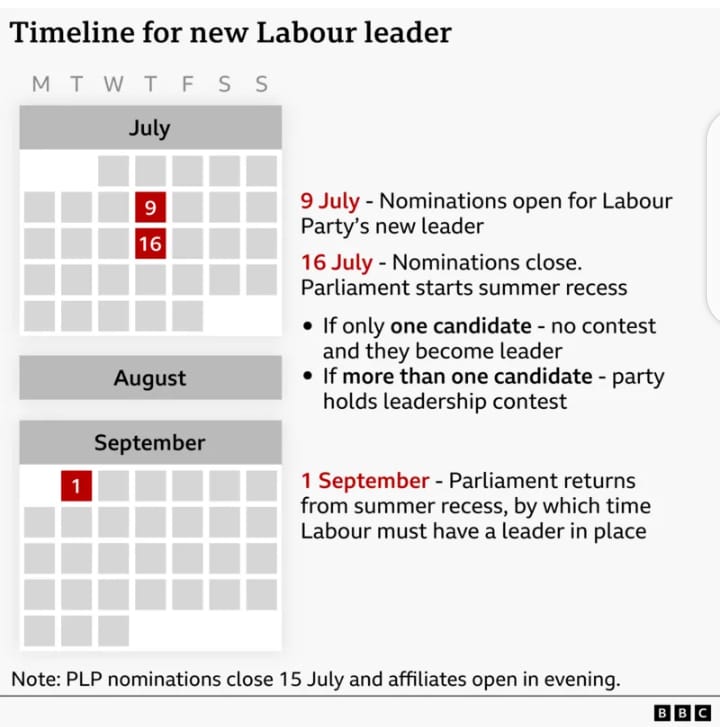
Image @ BBC
By: Magdalene Agyeiwaa Sarpong