

The long-running dispute over the 2025 Africa Cup of Nations (AFCON) final between Morocco and Senegal has reached the Court of Arbitration for Sport (CAS), with the legal battle continuing months after the controversial match.
Senegal initially secured a 1-0 victory in January after Pape Gueye scored during extra time in Rabat.
However, the Royal Moroccan Football Federation later challenged the result, accusing Senegal of violating tournament regulations after players and officials briefly left the pitch during a heated stoppage-time incident.
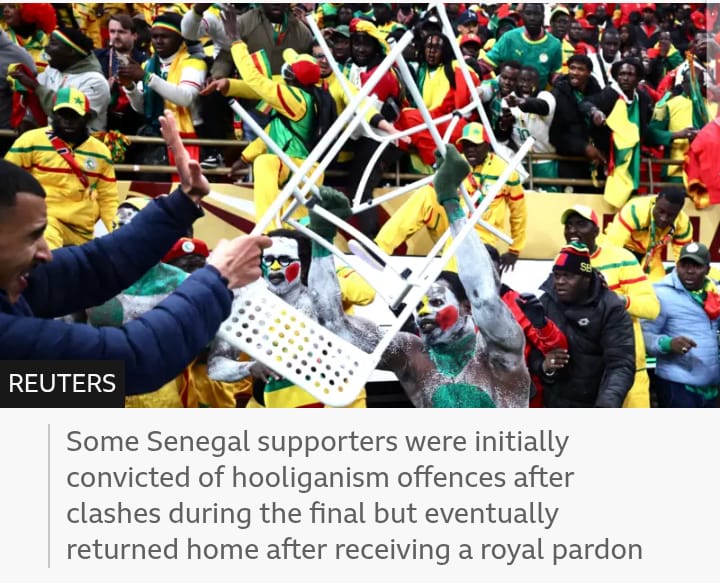
The Confederation of African Football (CAF) appeals board subsequently overturned the result in March, declaring Senegal the losing side and awarding Morocco a 3-0 triumph.
Senegal rejected the ruling as unjust and appealed to CAS, sport’s highest judicial authority. A three-member panel will examine the case in a private hearing, although the court has warned that no verdict will be issued immediately.
CAS said its deliberations could take several months, although some previous cases have been resolved much faster.
The court’s decision will be binding, except in rare circumstances where Switzerland’s highest court could intervene on limited legal grounds.
The dispute stems from a dramatic final in which tensions erupted during stoppage time. Senegal believed they had taken the lead through Ismaila Sarr, but the goal did not stand after the referee had already awarded a free-kick to Morocco.
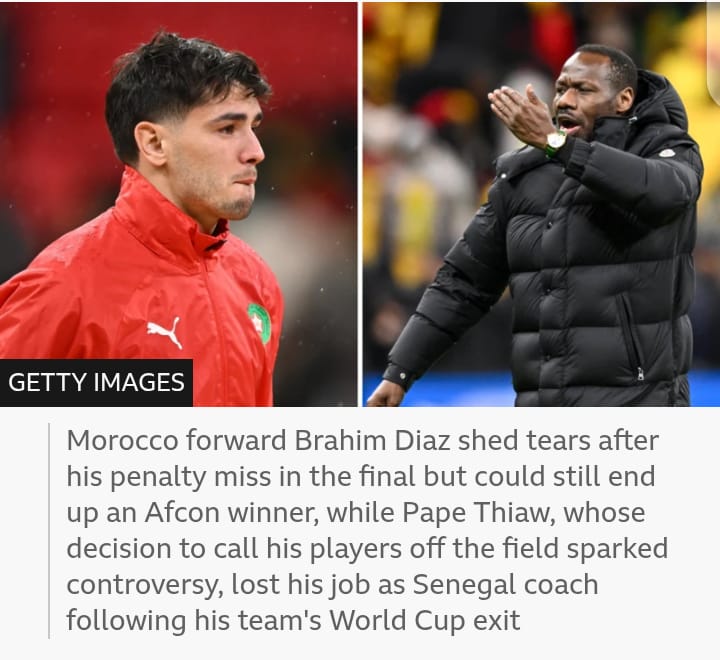
A subsequent VAR review resulted in a penalty being awarded to Morocco, triggering angry reactions from Senegal’s technical team and players.
Senegal coach Pape Thiaw then led members of his squad and staff towards the dressing room before the contest eventually resumed.
Morocco later missed an opportunity to claim victory when Brahim Diaz failed from the spot in the 124th minute. Gueye’s extra-time finish ultimately handed Senegal the trophy.
Moroccan officials argued that Senegal’s temporary departure from the field breached Article 82 of the competition regulations, which provides for a team to forfeit a contest if it leaves the playing area prematurely without the referee’s permission.
Senegal’s football authorities have maintained that CAF’s decision was unprecedented and improper, while critics of the ruling have questioned whether only the match official could formally abandon a fixture.
CAF President Patrice Motsepe has pledged that the organisation will accept CAS’s eventual judgment.
A decision favouring Senegal could therefore force African football authorities to reconsider aspects of their regulations.
The controversy has also influenced football’s wider laws. The International Football Association Board (IFAB) has introduced provisions allowing referees to dismiss players who deliberately walk off in protest, while officials who encourage such actions can also face punishment.
The bitter disagreement has strained relations between the Moroccan and Senegalese football authorities.
Senegal has also raised concerns over incidents involving laser pointers, ball boys and goalkeeper Edouard Mendy’s equipment during the encounter.
With another AFCON tournament approaching next year, supporters could eventually witness another meeting between the two sides.
However, the continuing dispute has underlined the importance of resolving major football contests through action on the field rather than prolonged legal proceedings.
By: Magdalene Agyeiwaa Sarpong