

Kenyan authorities imposed strict security measures across Nairobi on Thursday as citizens prepared to commemorate the second anniversary of the youth-driven anti-government protests that shook the nation in 2024.
Major routes into the capital’s central business district were closed, leaving large sections of the city unusually quiet.
Thousands of commuters were stranded on the outskirts, while numerous shops, offices and educational institutions suspended operations for the day.
Organisers of the demonstrations say the events are intended to honour victims of the 2024 anti-tax movement and subsequent anniversary rallies.
Rights groups estimate that more than 80 people lost their lives and many others sustained injuries during confrontations with security personnel.
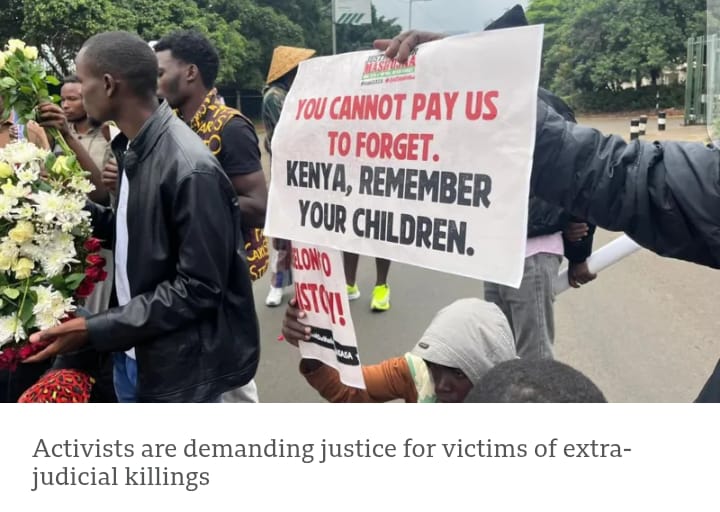
Scattered disturbances were reported in several locations as protesters attempted to assemble. Law enforcement officers deployed tear gas to disperse crowds, while some demonstrators responded by hurling rocks.
The planned gatherings, coordinated largely through social media networks, were expected to occur in Nairobi, Mombasa and several towns across central Kenya.
In the capital, opposition figures including Kalonzo Musyoka, Martha Karua and Eugene Wamalwa joined relatives of deceased protesters in a procession to Parliament.
Participants laid wreaths in tribute to those who died during the 2024 unrest.
The original demonstrations erupted in June 2024 over proposed tax increases.
Public anger culminated in protesters breaching Parliament grounds, prompting the government to withdraw the contentious Finance Bill.
Following the crackdown, security agencies faced allegations of excessive force.
Investigations by media and human rights organisations accused officers of targeting demonstrators, while reports of abductions and unexplained deaths intensified concerns about unlawful detentions and extrajudicial actions.
Security patrols remained highly visible throughout Nairobi.
Mounted officers dispersed groups attempting to converge in restricted areas, while water cannon units reinforced barricades around key government installations.
Television footage showed burning debris and thick smoke in the Githurai district on the outskirts of the capital, where clashes erupted between protesters and police.
Several arrests were made as individuals attempted to enter the city centre.
Meanwhile, in the coastal city of Mombasa, dozens of demonstrators marched under close supervision from security personnel.
Deputy Inspector General of Police Gilbert Masengeli defended the heightened security presence, stating that checkpoints had been established to prevent weapons and criminal elements from entering Nairobi.
”We are safeguarding citizens and ensuring public order,” Masengeli said, adding that normal activities continued in many parts of the country.
Families who lost loved ones during the 2024 protests appealed for peaceful commemorations, urging authorities to allow them to remember the deceased without confrontation.
Government officials have repeatedly called for restraint, warning against vandalism, looting and other unlawful activities.
President William Ruto recently reaffirmed the constitutional right to peaceful assembly but cautioned that acts intended to cause disorder or damage property would face firm action.
Several politicians, civic organisations and human rights advocates have endorsed the planned gatherings, describing them as a legitimate expression of democratic freedoms.
Former Deputy President Rigathi Gachagua, now a prominent critic of the administration, advised young activists against taking part in street demonstrations. Instead, he encouraged citizens to remain indoors as a symbolic form of protest.
Last week, President Ruto unveiled a compensation package worth nearly $15 million for almost 2,000 individuals identified by rights organisations as victims of protest-related abuses between 2017 and 2025.
The president emphasised that the initiative was not intended to place a monetary value on human suffering or loss, but rather to acknowledge the hardships endured by affected families.
However, rights campaigners criticised the programme, arguing that some victims had been excluded and questioning both the transparency of the process and the adequacy of the payments.
The demonstrations come amid increasing political pressure on President Ruto ahead of the 2027 general election.
Opponents accuse his administration of falling short on key promises, while the president maintains that his government has delivered substantial progress and remains prepared to defend its record before voters.
By: Magdalene Agyeiwaa Sarpong