

A prestigious U.S. Civil Rights Activist Al Sharpton, has voiced his approval for Ghana’s President John Dramani Mahama in his initiative to have the transatlantic slave trade recognized as the gravest crime against humanity.
Sharpton’s sponsorship follows Brazil’s pledge of support for the campaign, announced by Brazilian President Luiz Inácio Lula da Silva during discussions with Ghana’s Minister for Foreign Affairs, Samuel Okudzeto Ablakwa. These talks took place on the touchline of the CELAC-Africa Summit held in Colombia on March 21.
President Mahama is set to present the resolution before the United Nations General Assembly tomorrow, aiming to declare formally the transatlantic slave trade and the racialized chattel enslavement of Africans as the gravest crime against humanity.
The resolution is part of broader narrative to guarantee universal approval of the historical injustices of slavery, which advocates debate is essential for advancing reparatory justice and solving its lasting legacy.
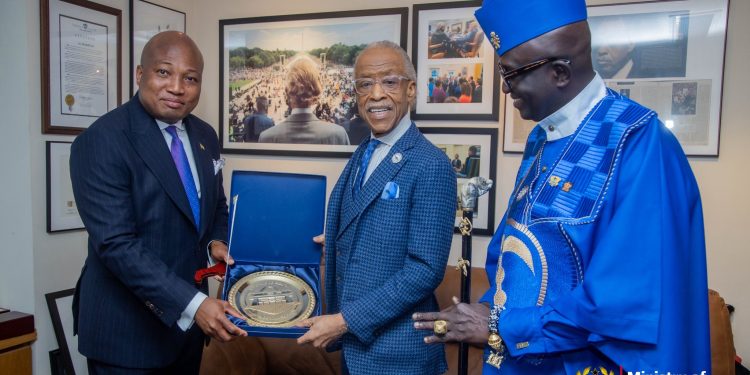 Civil Rights Activist Sharpton Supports President Mahama’s Plan To Address Slave Trade
As part of the program, President Mahama will meet and deliver an essential address at a high-level special event on reparatory justice at the UN Headquarters in New York City. The event, themed “Reparatory Justice for the Trafficking of Enslaved Africans and the Racialized Chattel Enslavement of Africans,” will assemble world leaders and senior officials to engage in discussions on this important issue.
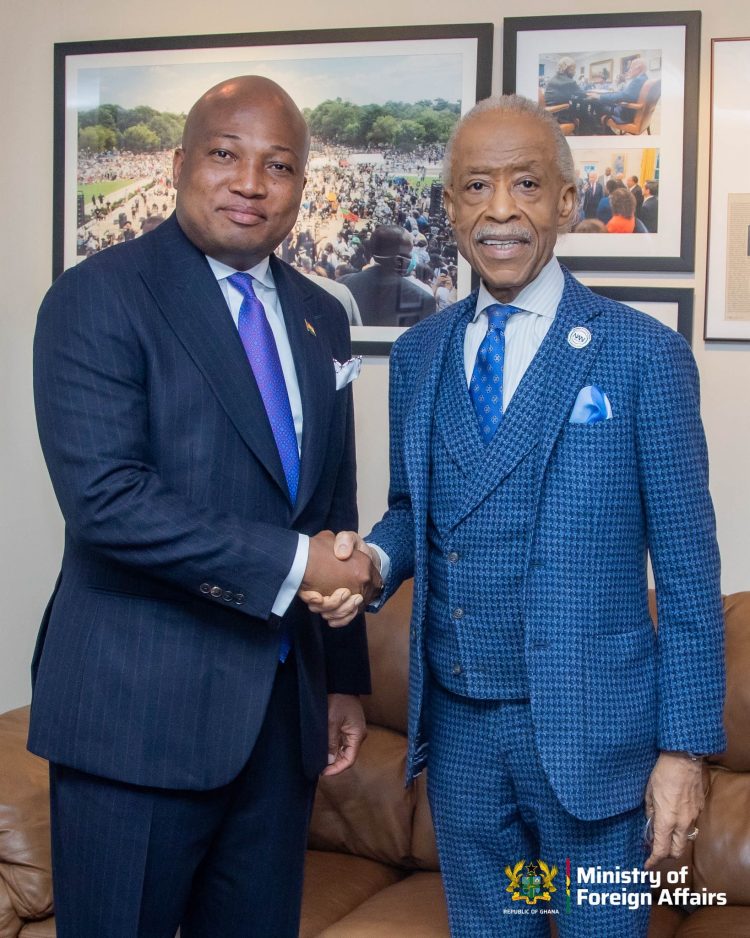 Civil Rights Activist Sharpton Supports President Mahama’s Plan To Address Slave Trade
Additionally, President Mahama is set to address the General Assembly, presenting the African Union’s adopted position in support of the resolution. He will also participate in a wreath-laying ceremony at the African Burial Ground National Monument to honor the memory of enslaved Africans.
Following his engagements at the UN, President Mahama will travel to Pennsylvania, where he is anticipated to deliver an essential address at Lincoln University and engage with the Ghanaian community at Temple University.
By: Magdalene Agyeiwaa Sarpong