

The British government has announced it will stop issuing new study visas to nationals from Afghanistan, Cameroon, Myanmar and Sudan, saying the system is being misused.
Home Secretary Shabana Mahmood said the decision will take effect this month. In addition, the UK will no longer grant skilled worker visas to Afghan nationals.
The changes will be introduced through an update to the country’s immigration rules on 5 March, according to the Home Office.
Officials say the move follows a sharp increase in asylum claims from people who first entered the UK legally on study visas.
Government data show that asylum applications from individuals who originally came for purposes such as education have more than tripled between 2021 and 2025. At present, people who arrived on student visas account for about 13 percent of all asylum claims in the system.
According to the Home Office, around 95 percent of Afghans who came to the UK on study visas since 2021 later applied for asylum. Applications from Myanmar increased sixteen times during the same period, while claims from Cameroon and Sudan rose more than fourfold.
A government spokesperson said, “The government is clamping down on visa abuse so the UK can maintain its ability and proud tradition of helping those genuinely in need.”
Mahmood said she was “taking the unprecedented decision to refuse visas for those nationals seeking to exploit our generosity” and added, “I will restore order and control to our borders.”
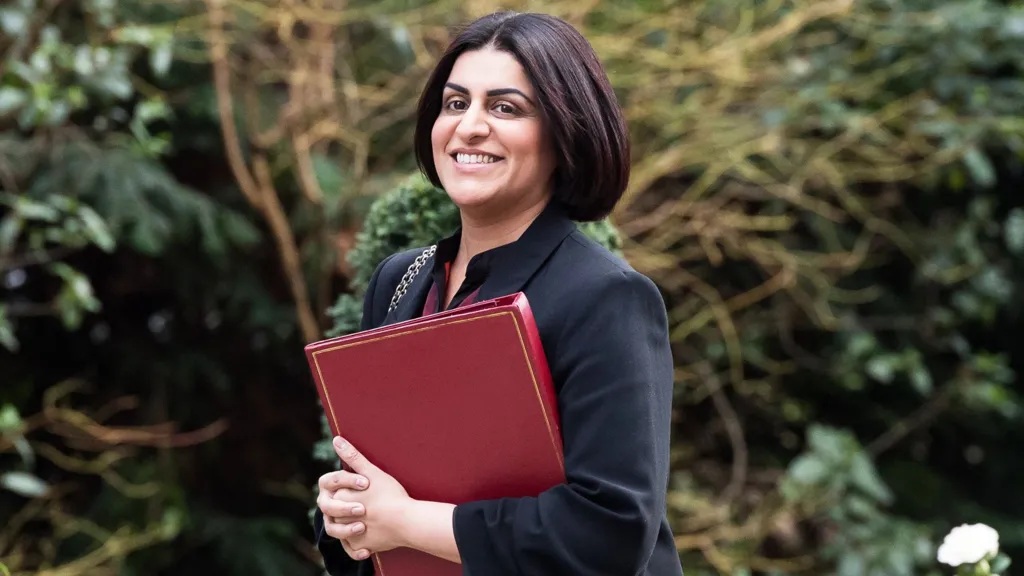
Home Secretary Shabana Mahmood walks outside of Downing Street/ Image @ Getty Images
The Home Office said a high number of applicants from the four countries reported financial hardship as part of their asylum cases. About 16,000 people from these countries are currently receiving government support in the UK.
Officials argue that large numbers of visa holders applying for asylum after their permits expire place heavy pressure on the country’s asylum system. The department described the trend as “an unsustainable threat.” The four countries named in the decision are facing serious instability.
Afghanistan remains volatile, with tensions along its border with Pakistan leading to recent clashes. Sudan has been in civil war since 2023, creating what the United Nations has described as the world’s largest humanitarian crisis. Myanmar has been in conflict since a military takeover in 2021. Cameroon continues to face unrest in its English-speaking regions, where armed groups are fighting for independence.
The visa suspension comes as Prime Minister Keir Starmer’s government adopts a firmer stance on immigration amid political pressure from opposition parties, including the Conservatives and Reform UK.
Last week, the government announced that refugee protection periods would be reduced to 30 months. In 2025, 41,472 migrants crossed the English Channel in small boats, nearly 5,000 more than the previous year.
The UK says it remains committed to refugee protection. It ranks sixth globally for the number of refugees resettled through the United Nations High Commissioner for Refugees referral system.
However, the policy shift has drawn criticism. About 40 lawmakers from the ruling Labour Party recently raised concerns about planned changes to permanent settlement rights, warning they could harm sectors already facing worker shortages, including social care.
Max Wilkinson, the Liberal Democrat spokesperson on home affairs, said it was “right to say student visas are for students and asylum routes are for refugees.” But he added that without safe legal routes for refugees and stronger return agreements for rejected applicants, the government risks repeatedly adjusting the system without solving the core problem.