

Irish Lawmakers Back Decriminalisation Of Drugs For Personal Consumption/Image@ BBC
A parliamentary committee in Ireland has urged the government to remove criminal penalties for individuals found possessing illicit substances for their own consumption, marking a significant shift in the country’s approach to drug-related issues.
The Oireachtas Committee on Drugs published its final findings on Wednesday following months of consultations with experts, advocacy groups and stakeholders examining the future direction of national narcotics policy.
The cross-party panel, consisting of members from both chambers of parliament, endorsed recommendations previously made by the Citizens’ Assembly on Drug Use, which concluded in 2024 that punitive measures against individual users should be replaced with a public health-centred framework.
In its report, the committee called for a comprehensive strategy that prioritises healthcare, treatment and harm reduction over prosecution.
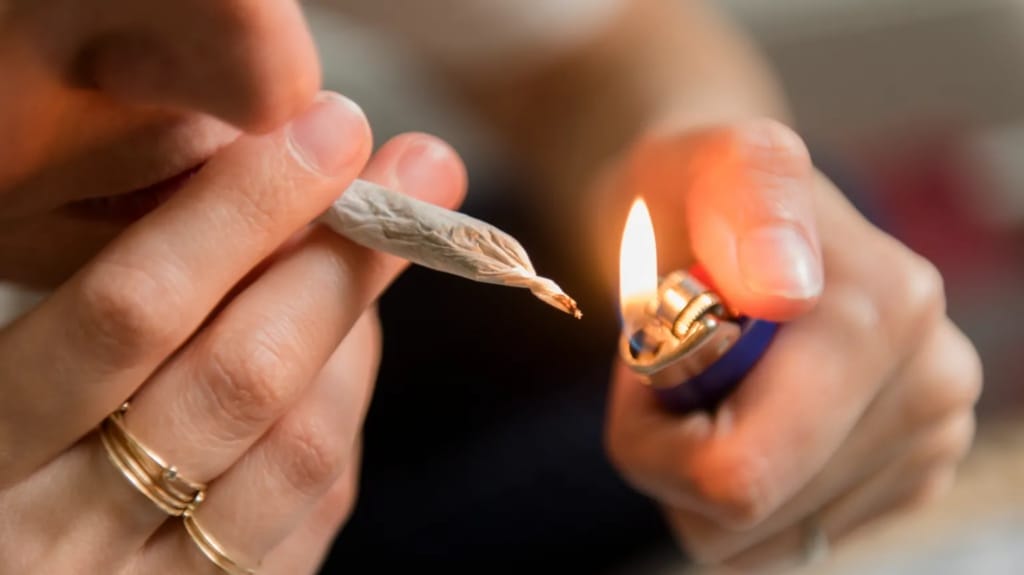 Irish Lawmakers Back Decriminalisation Of Drugs For Personal Consumption/Image@ BBC
Members argued that penalising individuals for possessing substances intended for personal consumption has failed to effectively reduce risks associated with addiction.
The report stated that adopting such reforms would be unlikely to trigger a major rise in substance use.
However, lawmakers acknowledged evidence from a limited number of regions where similar policies coincided with increased consumption in public spaces.
To address that concern, the committee proposed granting local authorities powers to introduce regulations restricting public drug use, similar to existing rules governing alcohol consumption in communal areas.
Among the recommendations was the establishment of supervised consumption facilities and mobile services aimed at reducing overdose risks, improving access to support services and limiting street-based use.
The panel also urged the state to launch nationwide awareness campaigns promoting safer behaviour, risk reduction and education regarding substance misuse.
In addition, the report advocated ending short custodial sentences for non-violent offences linked to narcotics.
Instead, it recommended directing affected individuals toward support programmes and recovery services, particularly where family responsibilities are involved.
Lawmakers stressed that both substance misuse and existing policy responses can generate social harm and called for coordinated action involving health, education and justice agencies.
The committee further recommended increased investment in community support networks and residential rehabilitation programmes.
Although Ireland’s current coalition government has pledged to divert individuals caught with small quantities of drugs toward healthcare services, it has stopped short of endorsing full decriminalisation.
Committee chairman Gary Gannon described the recommendations as a major policy shift, saying decades of criminal sanctions had not achieved meaningful reductions in harm and that alternative solutions were long overdue.
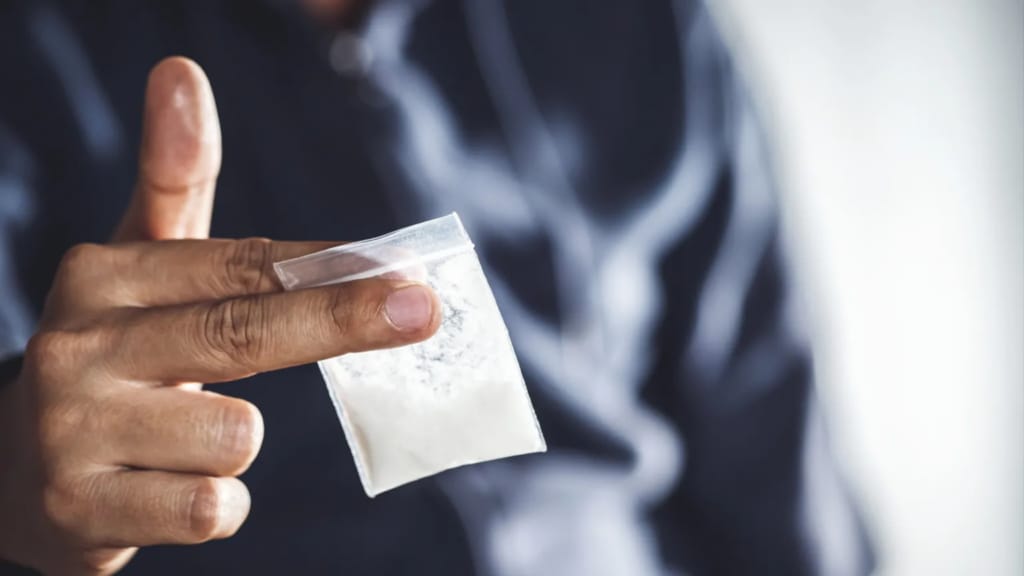 Irish Lawmakers Back Decriminalisation Of Drugs For Personal Consumption/Image@ BBC
Deputy chair Mary Fitzpatrick noted that cocaine, cannabis, prescription medications and emerging synthetic substances are now widespread across urban and rural communities throughout the country.
Speaking in parliament, Taoiseach Micheál Martin said that personal possession cases have largely been handled through health-focused interventions rather than criminal prosecution in recent decades.
He also highlighted figures showing that more than 15,000 people sought treatment for problematic substance use in 2025, with cocaine-related dependency accounting for a substantial proportion of cases.
While promising careful consideration of the committee’s proposals, Martin cautioned that removing criminal penalties does not automatically result in lower levels of consumption.
Minister for Drugs Jennifer Murnane O’Connor expressed reservations about the proposal, arguing that complete decriminalisation could effectively permit possession for personal use.
She maintained that the government’s position remains unchanged and that no amendments to existing drug legislation are currently planned.
Instead, she reaffirmed the administration’s commitment to directing individuals found with drugs for personal consumption toward health and support services rather than relying solely on punitive measures.
By: Magdalene Agyeiwaa Sarpong